Whole Foods
The Quiet Logic of Whole-Food Eating Across a British Week
Eleanor Whitfield·10 min
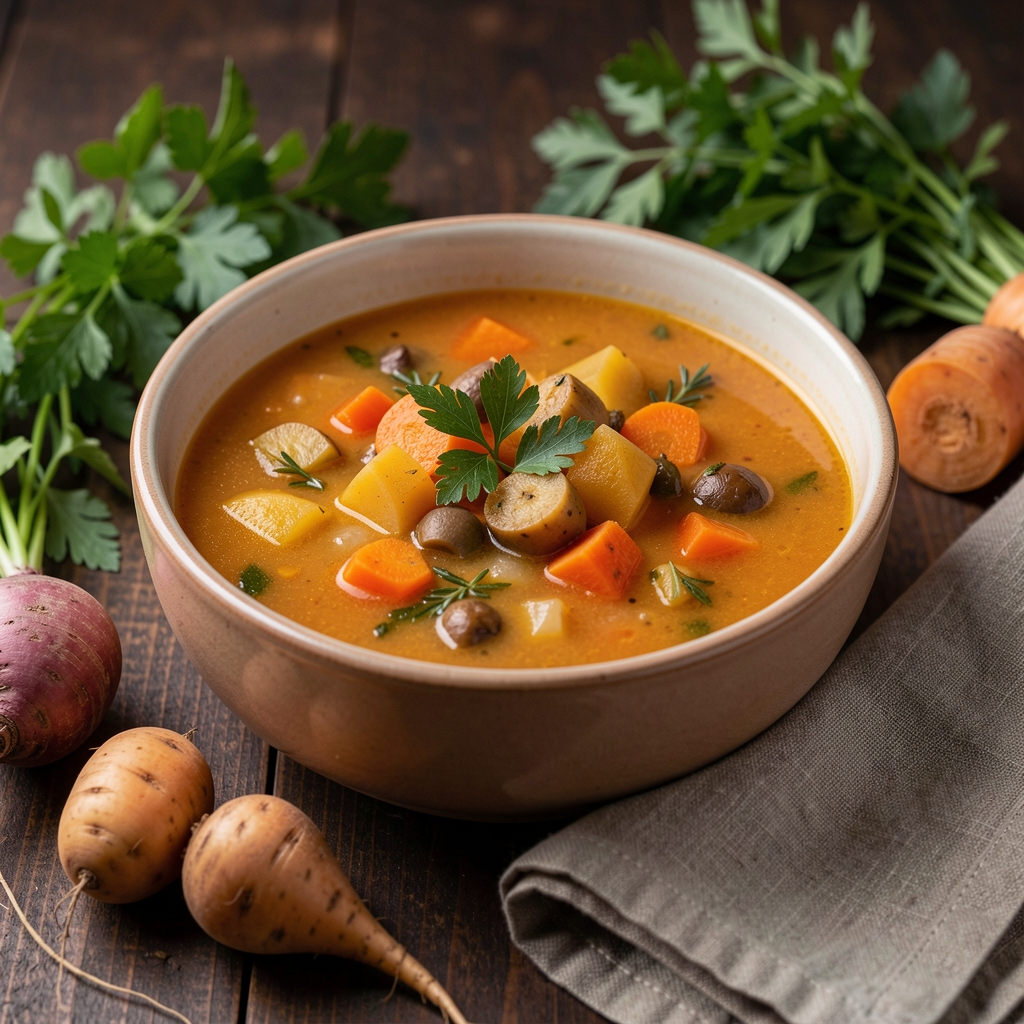
There is a particular kind of humility required to acknowledge that a village cook preparing a winter potage in Northumberland three centuries ago may have been doing something nutritionally sophisticated — not because of conscious intent, but because seasonal necessity enforced a pattern of dietary variation that modern grocery logistics have quietly eroded.
The science of gut microbiome diversity, which has occupied a considerable body of peer-reviewed research over the past fifteen years, returns consistently to a single practical recommendation: eat a wider variety of plant foods, rotating with season. The specific microbial strains that colonise the human digestive environment respond to the fibres they encounter — and different plant foods carry different fibre structures, prebiotic compounds, and polyphenol profiles. A gut fed exclusively on the same twelve items throughout the year, regardless of how nutritionally complete those items are in isolation, tends to support a less diverse microbial population than one exposed to a broader, seasonally rotating palette.
In the UK context, seasonal eating is frequently described in the abstract — a virtue invoked without much practical scaffolding. The reality is more structured than its reputation suggests. British produce follows a relatively reliable calendar that, once understood, provides the framework for a rotating diet almost automatically. January and February are the months of stored roots and brassicas: carrots, parsnips, swede, celeriac, red and white cabbage, Brussels sprouts, leeks, and kale. March and April bring the first forced rhubarb, purple sprouting broccoli, and early spring greens. The gap between spring and summer — late April through May — is narrower than many people assume, filled by asparagus, radishes, spinach, and the first new potatoes.
Summer produces its own abundance: broad beans, courgettes, peas, runner beans, tomatoes, sweetcorn, fennel, and the full range of soft fruits. Autumn extends the season considerably with squashes, pumpkins, late brassicas, apples, pears, plums, and damsons. Winter, far from being a period of nutritional scarcity, consolidates around the densest storage vegetables and the crucifer family — precisely the foods that have shown the most consistent association, in published dietary research, with a well-maintained digestive environment.
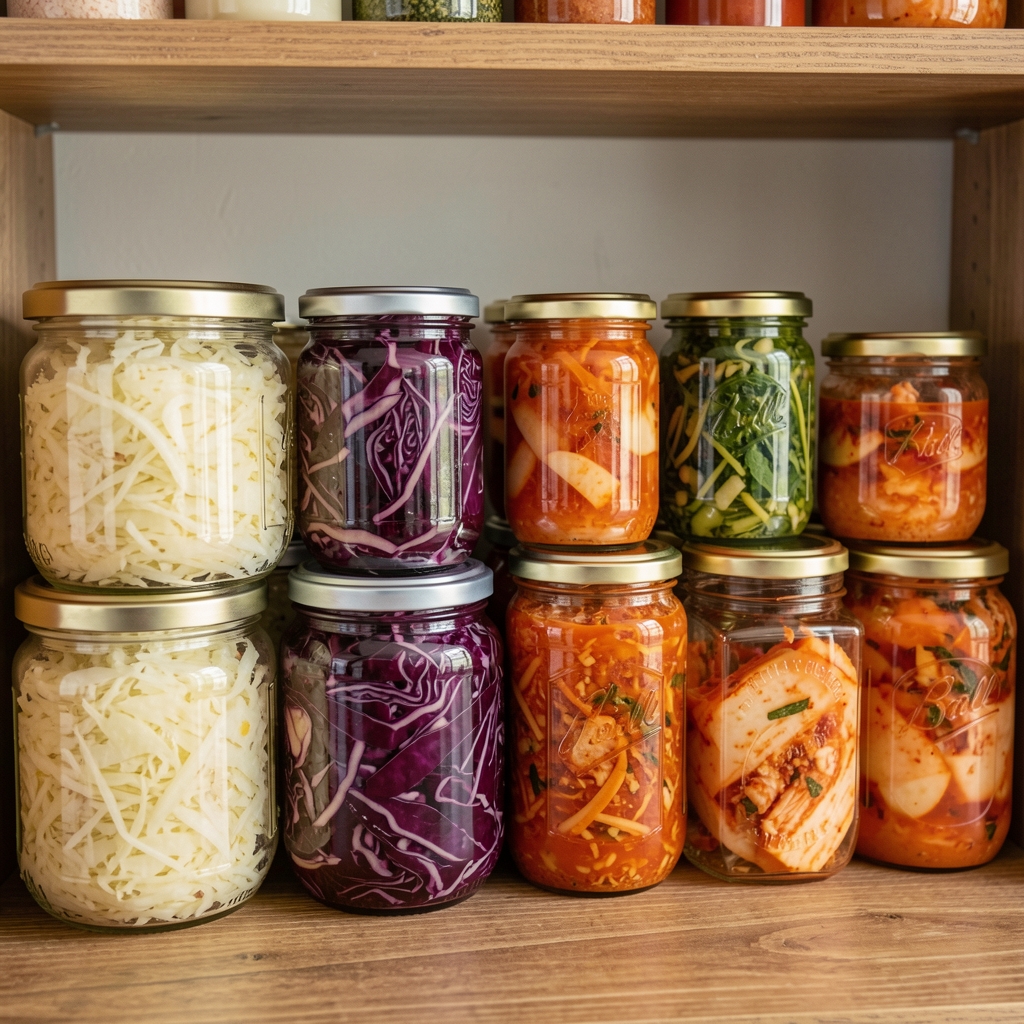
Within the conversation about gut-supportive eating, fermented foods occupy a prominent if sometimes overestimated position. Sauerkraut, kimchi, kefir, live yoghurt, sourdough bread, miso, and unpasteurised cheeses all contain live microbial cultures that, according to a well-cited 2021 study published in Cell, may contribute to increased microbiome diversity when consumed regularly alongside a high-fibre diet.
The important qualifier is "alongside." Fermented foods introduced into a low-fibre diet produce more modest effects than the same foods introduced into a diet rich in diverse plant materials. The reason is straightforward: live cultures require substrate — prebiotic fibre — to establish themselves and persist in the digestive environment. A high-fibre, seasonally varied diet creates the conditions in which fermented-food additions are most meaningful. In their absence, the effect is limited.
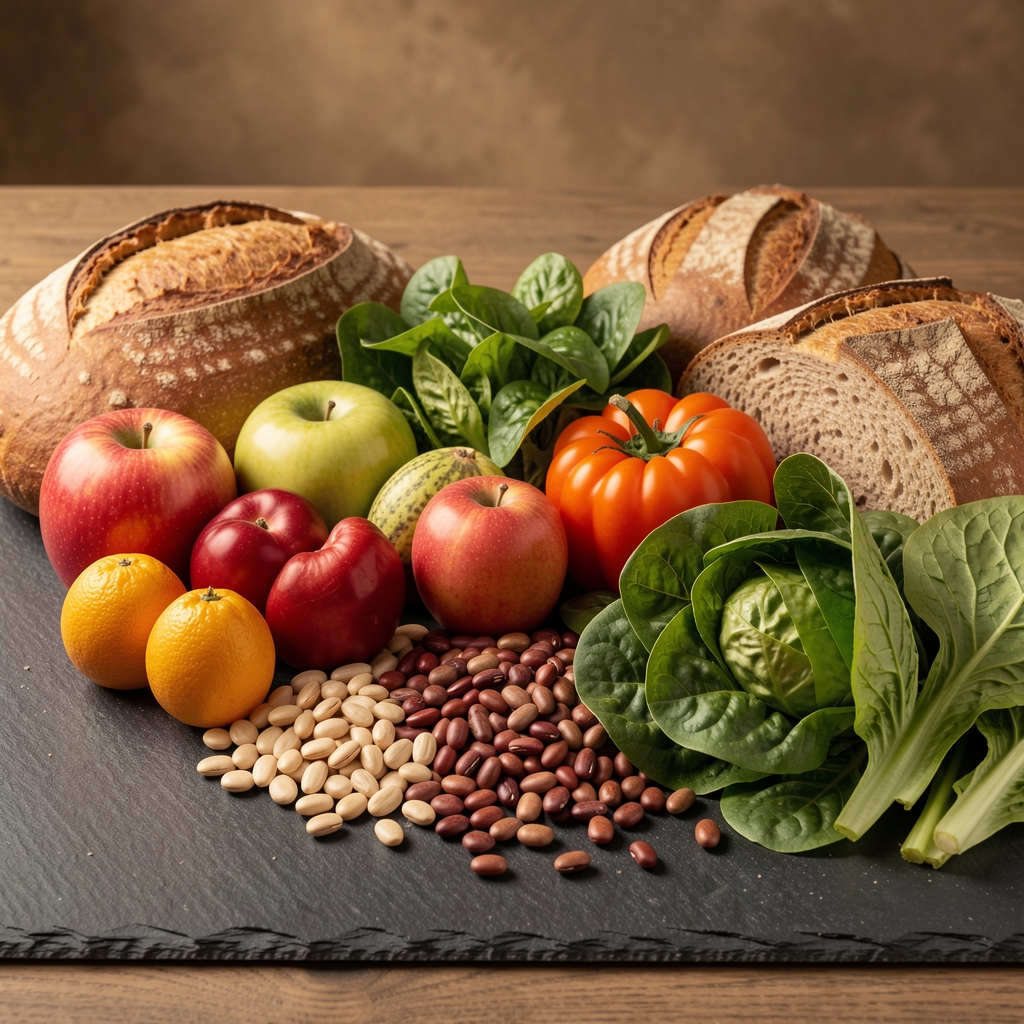
For the home cook in Britain, this translates into a practical layering approach: establish the plant-variety base first — root vegetables, legumes, whole grains, leafy brassicas — and add fermented components as a regular accompaniment rather than a primary intervention. A spoonful of live yoghurt with a grain bowl; a small portion of sauerkraut alongside a lentil-based supper; a miso-based dressing on a winter salad. These additions are cumulative in their effect rather than dramatic.
The recipes that emerge from a commitment to seasonal gut-supportive eating are not exotic. They are, in most cases, the ordinary dishes of the British and Northern European culinary tradition: soups and broths built around whatever root and brassica vegetables are currently at their peak; grain-based salads that make use of whatever legumes are in the store cupboard; slow-cooked dishes that render tough winter greens tender and accessible. The nutritional profile of these recipes is strong not because of any single ingredient but because of the cumulative diversity of plant materials involved.
A January soup that includes leeks, celeriac, white beans, and kale — perhaps finished with a spoonful of live cream or a scattering of seeds — touches multiple fibre profiles in a single bowl. The leek provides inulin and fructooligosaccharides, prebiotic compounds that have been specifically associated with beneficial microbial activity in peer-reviewed research. The celeriac contributes pectin and cellulose. The white beans provide resistant starch alongside soluble fibre. The kale adds a different cellulosic structure and a polyphenol profile distinct from the other ingredients. The seeds, if used, add phytic acid and additional fibre types. This is not nutritional engineering — it is cooking from a seasonal store cupboard.
No account of gut-friendly eating is complete without attention to hydration, which functions as the medium through which dietary fibre does its work. Soluble fibre, in particular, forms a gel-like substance in the presence of water — a substance that slows the passage of food through the digestive system, modulates the rate of glucose absorption into the bloodstream, and provides a substrate for microbial fermentation in the large intestine. Insufficient water intake reduces the effectiveness of dietary fibre significantly: the recommended 30 grams of daily fibre achieves its intended effect only in the presence of adequate hydration.
For the practical daily routine, this means that the two habits are inseparable. A high-fibre seasonal diet and regular, distributed water intake across the day work as a complementary system. The British Nutrition Foundation recommends approximately 1.5 to 2 litres of fluid per day for adults under normal conditions, with higher amounts appropriate during physical activity or warm weather. Plain water, herbal infusions, and vegetable-based broths all contribute to this total; the specific source matters less than the consistency of the habit.
Translating the accumulated evidence into a practical weekly kitchen rhythm produces something that looks, on close inspection, rather like the cooking habits that have characterised British household kitchens at their most functional: a market or weekly shop anchored by whatever seasonal produce is currently most abundant and affordable; a store cupboard of dried legumes, whole grains, seeds, and fermented staples; a cooking practice that makes bulk quantities of a few base components — cooked beans, a pot of whole grains, a tray of roasted roots — available for assembly throughout the week.
The variation that gut-supportive eating requires does not demand constant novelty or elaborate recipe-following. It demands, more modestly, that the list of plants consumed across seven days is longer than the list consumed across three. That a Tuesday supper is not simply a repetition of Sunday's. That the brassica family features alongside the legume family alongside the allium family — leeks, onions, garlic, shallots — in a rotating pattern that reflects what the season has to offer rather than what the processed-food aisle presents with greatest convenience.
This is, in the end, less a matter of nutritional sophistication than of returning to the conditions under which human digestive systems evolved: varied, seasonal, plant-forward, and unhurried. The science confirms what the traditional kitchen already understood. Oravelin Quarterly operates under the following editorial principles: articles are reviewed by at least one second editor before publication, sources are cited where appropriate, corrections are noted publicly, and writers disclose any commercial relationships that could influence their selection of subject matter. Harriet Pembroke declares no commercial relationships relevant to this piece.
Articles published on Oravelin Quarterly are editorial in nature and reflect the writers' observations on everyday wellness practices. The content is not intended as professional advice, nor as guidance for the management of any specific condition. Readers with specific concerns about their daily routines are encouraged to speak with a qualified wellness professional.

Harriet Pembroke is a food writer and nutritional researcher based in London, whose work focuses on the intersection of traditional British foodways and contemporary dietary science. She contributes seasonally to Oravelin Quarterly.
More from this author →